
The Jobs Our Grandparents Knew Aren't Coming Back, and Neither Are the Ones We Trained For
AI isn't just changing how work gets done, it's quietly erasing the entry-level jobs young people use to get started. Here's what that means for the next generation of careers.
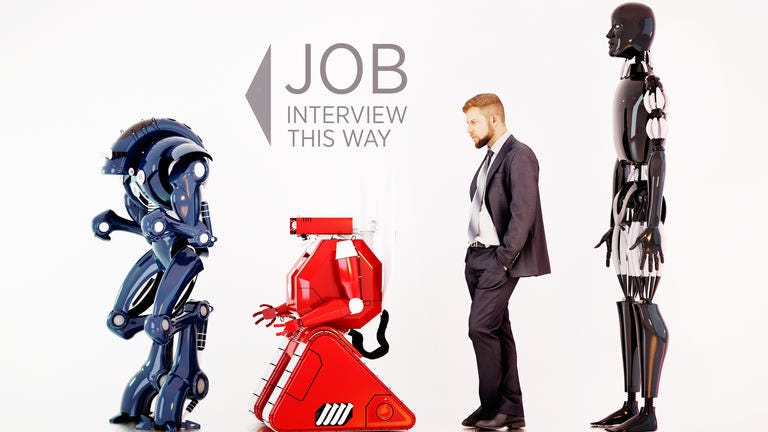
Ask someone born before 1970 what it takes to build a career, and you'll get a fairly consistent answer: pick a trade or a profession, learn it well, stay loyal to an employer, and the employer stays loyal back. A job was a ladder. You climbed it slowly, and if you climbed long enough, it climbed with you.
That ladder doesn't really exist anymore. The rung being sawed off fastest right now is the bottom one, the one young people are supposed to be standing on.
The unsettling part of the AI-driven shift in the labor market isn't that it's coming for jobs broadly. It's that it's coming disproportionately for the first jobs: the junior analyst roles, the entry-level coding positions, the customer support desks, precisely the rungs young people use to get a foothold. Several labor-market studies published this year point to the same pattern. Employers are increasingly using AI tools to absorb the routine work that used to be assigned to new hires as a way of training them. The training-by-doing model that built entire generations of professionals is quietly being automated away before those professionals ever get their first real assignment.
This is a different kind of disruption than past waves of automation. Factory automation displaced physical labor over decades, giving economies time to build new industries around it. This wave is faster, it's software, and it's landing hardest on white-collar entry points that were, until recently, considered relatively safe.
For young people already struggling to break in, and youth unemployment in much of the world, including large parts of Africa, was a serious structural problem long before generative AI became a headline, this isn't an abstract future risk. It's the present tense. When a company can generate a first draft, summarize a report, or handle basic customer queries with a model instead of a graduate hire, the calculus around hiring junior staff shifts immediately, regardless of how the economy is doing overall.
That doesn't mean there's nothing on the other side of this. New categories of work are opening even as old ones close. People who can direct AI tools, catch their errors, and combine technical fluency with judgment the tools don't have are finding real opportunities, sometimes without formal degrees at all. Self-taught skill, in design, in code, in whatever a given market actually needs, is arguably worth more right now than it has been in a long time, because credentials are no longer doing as much of the sorting they used to do.
The old advice, get a degree, get a stable job, climb steadily, was built for an economy with predictable ladders. That economy is being replaced by something closer to a series of platforms you have to keep jumping between, each requiring you to prove your value fresh, often without the institutional backing a previous generation could lean on.
That's a harder path. It's also, for those willing to learn fast and adapt without waiting for permission, a more open one than the credentialed gatekeeping of the past. The generation navigating it doesn't get the luxury of nostalgia for a ladder that isn't coming back. What it gets instead is the harder, less comfortable task of building new rungs as it climbs.

Stay rated, stay laughing.
Replies
0Sign in to join the thread.
- No replies yet.