
Iran Fires Missiles at US Warships as Six-Month Hormuz Conflict Escalates Further
Iran claims its forces struck a US aircraft carrier and destroyer with ballistic missiles this week, part of an escalating "tanker war" in the Strait of Hormuz that's now stretched past six months. Here's what's happened and why the strait matters so much.
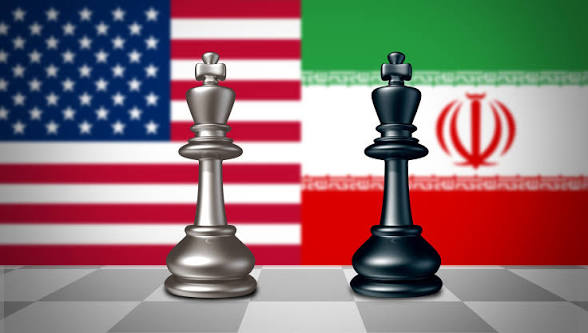
Tensions between Iran and the United States sharply escalated this week after Iran's Islamic Revolutionary Guard Corps (IRGC) claimed it fired ballistic missiles at a US aircraft carrier and a guided-missile destroyer operating near the Strait of Hormuz. US Central Command confirmed the ships were targeted but said both vessels successfully evaded the attacks, with no damage and no American personnel injured. Iran's claims that the missiles struck and damaged the ships have not been independently verified.
The missile strikes came as part of a rapidly widening exchange. Hours earlier, the US had struck three Iranian oil tankers it accused of violating its naval blockade of Iran. In response, the IRGC Navy said it targeted three tankers travelling through what it called an "unauthorised route" in the Strait, along with three other vessels it claimed were affiliated with the United States. Iran also warned that any ships continuing to use unapproved routes through the strait "will be targeted." A senior US admiral, Brad Cooper, warned in turn that the US would defend its forces and could strike Iran's oil fleet directly if the attacks on American vessels continued.
This latest flashpoint isn't an isolated incident, it's the newest chapter in a conflict that's now run for more than six months. The war traces back to February 28, 2026, when the US and Israel launched major joint strikes on Iranian military, government, and infrastructure targets. Iran responded by closing the Strait of Hormuz, prompting the US to begin an aerial campaign in March aimed at reopening it, followed by a full naval blockade of Iran starting in mid-July. Since then, the conflict has increasingly played out at sea, with both countries trading strikes on tankers and warships in and around the strait. According to Al Jazeera, US officials say more than 87 commercial vessels have been redirected under the blockade since it began, with several disabled or boarded.
The reason this keeps circling back to the Strait of Hormuz specifically comes down to geography and oil. The strait is one of the most critical chokepoints in global trade, a narrow passage between Iran and Oman that a massive share of the world's seaborne oil exports pass through daily. Control over it gives Iran real leverage, and threatens global energy markets, every time tensions flare.
Talks between the US and Iran aimed at a war-ending agreement began back in June, built around a signed memorandum of understanding, but the fighting has continued in parallel with the negotiations rather than pausing for them. An Iranian lawmaker described the conflict this week as "an existential war with America" for Iran, arguing that the US naval blockade should never have existed. With both sides now explicitly threatening further retaliation, the risk of the conflict expanding beyond tanker strikes and missile near-misses is rising, even as diplomatic channels technically remain open.

Stay rated, stay laughing.
Replies
0Sign in to join the thread.
- No replies yet.