
Minister Balaam issues orders on bars, alcohol
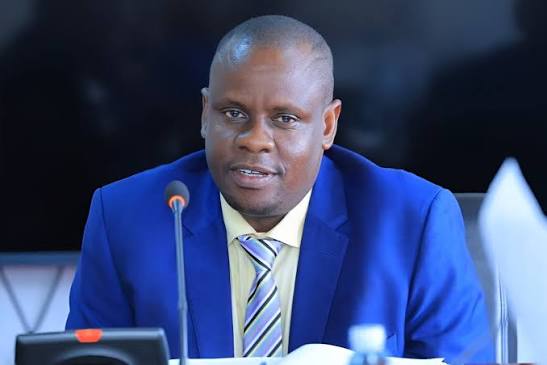
Government Cracks Down on Bar Hours, Underage Drinking and Betting
Uganda’s local governments are facing a new set of rules after the Minister of Local Government, Balaam Barugahara, issued a sweeping directive covering everything from bar opening hours to press access at council meetings.
What’s changing
In a letter dated August 10, addressed to LC5 chairpersons, city and division mayors, and council speakers across the country, Barugahara ordered that bars, malwa joints and other alcohol outlets can no longer open before 3pm on working days. Early-morning drinking is banned outright, and the minister made clear that establishments repeatedly ignoring the operating-hour rules risk being shut down entirely.
Selling alcohol to anyone under 18 is now grounds for arrest and prosecution, with the minister instructing local authorities and security agencies to enforce the rule strictly. Betting companies weren’t spared either — local governments have been told to regulate betting hours in their areas, with the minister citing the need to protect young people from the harms of excessive gambling.
The directive doesn’t stop at alcohol and betting. Barugahara also ordered every local council to open its sittings to the press, ending a practice in some councils of closing doors to journalists during sensitive debates. He compared it directly to how Parliament operates, arguing that the public has a right to follow how decisions affecting them are made. Councils have also been told to publicly display their approved budgets on notice boards, so residents can track how funds allocated to their areas are actually being spent.
A legal grey area
Not everyone is convinced these directives can simply be enforced by decree. The Uganda Local Government Association welcomed the move but flagged a real problem: several of the provisions — particularly around alcohol hours and betting regulation — aren’t backed by existing law. ULGA’s Secretary General, Richard Okuku, argued that for these rules to actually hold up, the minister would need to draft a formal legal instrument and get it approved by Parliament, rather than issuing directives that local governments have no binding legal basis to enforce. He noted that the rules on underage drinking, press access, and public budget displays are different — those are already grounded in existing law and should be straightforward to apply.
Why alcohol regulation keeps stalling
This isn’t the first attempt to legislate around alcohol in Uganda, and the history explains why Okuku is skeptical. A 2023 bill from then-Tororo Woman MP Sarah Opendi aimed to regulate alcohol manufacturing, sales and advertising, and restrict sales to minors — but Parliament threw it out in 2024 after pushback from bar owners, farmers and the broader business community. Lawmakers argued at the time that restricting sale hours would hurt tax revenue and infringe on constitutionally protected trade rights, and pointed out that the alcohol trade supports a much wider economic chain, from livestock farmers supplying bar food to motorcyclists and security guards working nightlife hours. A similar bill from Mukono Municipality MP Betty Nambooze back in 2016 never even made it to a vote.
That history suggests Barugahara’s directive, however immediate it sounds on paper, may run into the same resistance once local governments try to actually enforce it without a clear law behind them.
Reporting based on coverage by Daily Monitor.
Stay rated, stay laughing.
Replies
0Sign in to join the thread.
- No replies yet.