
Tim Cook Steps Down as Apple CEO After 15 Years, What He Leaves Behind
After transforming Apple into a nearly $4 trillion company, Tim Cook is handing the reins to John Ternus. Here's a look at what he built, what he got right, and where he fell short.
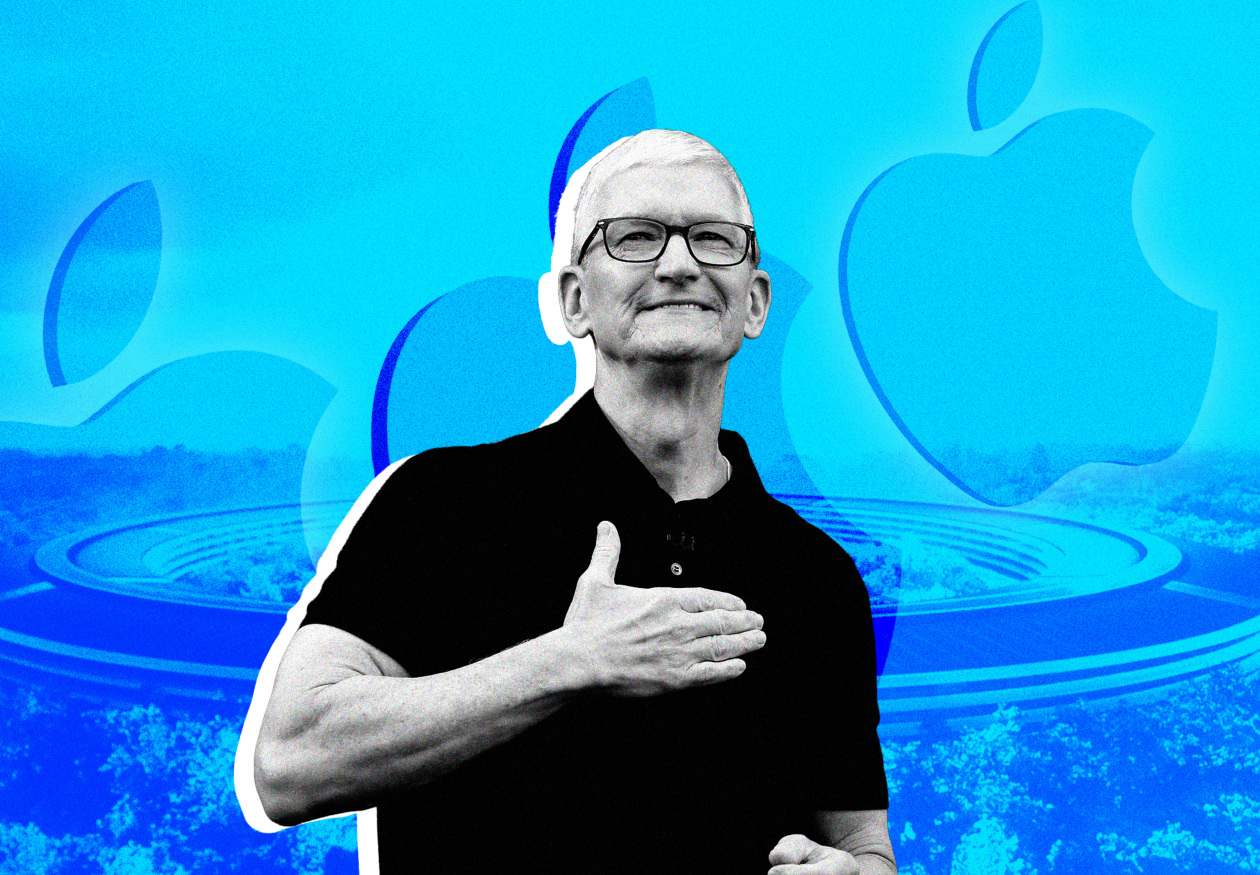
Tim Cook's last day as Apple CEO was today, capping off 15 years at the helm of one of the most valuable companies in the world. Starting tomorrow, September 1, Apple's longtime hardware engineering chief John Ternus takes over as CEO, while Cook moves into the role of executive chairman of the company's board.
Cook stepped into an almost impossible position back in August 2011, taking over from Steve Jobs as Jobs battled the illness that would take his life two months later. Few expected an operations specialist with no history as a product visionary to hold Apple together, let alone grow it. He did both.
Under Cook, Apple's value climbed from roughly $350 billion to multi-trillion-dollar territory, making it one of the most valuable companies in history. He oversaw the launch of the Apple Watch, AirPods, HomePod, Vision Pro, Apple Music, and Apple TV, turning Apple from a hardware company into a sprawling ecosystem of devices and services. Under his watch, Apple also built its services business into a genuine second engine of revenue, reducing the company's dependence on iPhone sales alone. In his final full quarter as CEO, Apple posted a 17 percent jump in revenue with iPhone sales up 22 percent year over year, a strong note to leave on.
Cook explained his own reasoning for the timing in a conversation with Apple staff, saying he wanted to step down while the company's performance was strong, its product roadmap looked promising, and his successor was ready. He told Fox Business that all three factors lined up at once, and it felt like the right moment to hand things over.
That said, Cook's tenure wasn't without real criticism. Apple has been widely seen as slow to respond to the generative AI wave that reshaped the tech industry over the past few years, with competitors moving faster on AI features and products. Under his leadership, Apple also leaned heavily on operational excellence and supply chain mastery, areas Cook genuinely excelled in, but critics argue this came at the expense of the kind of bold, category-defining product bets that defined the Jobs era. The company has also faced ongoing scrutiny over labor practices in its supply chain, App Store antitrust battles, and questions about whether its innovation pace has slowed as it matured into a corporate giant.
For Apple, the upside of Cook's approach is obvious: financial stability, operational discipline, and a business that reliably prints record revenue quarter after quarter. The downside is a company that some critics feel became more cautious and less willing to take the kind of risks that built its reputation in the first place, particularly visible in how it has approached AI compared to rivals.
Ternus inherits a company in a strong financial position but facing real pressure to prove it can lead in AI rather than follow. He joined Apple in 2001 as part of the product design team and has spent almost his entire career there, rising to senior vice president of Hardware Engineering. Cook, for his part, isn't disappearing. As executive chairman, he'll continue engaging with policymakers and managing some of Apple's most sensitive relationships, including with governments in the US and China.
Whether Ternus can push Apple into a bolder, more experimental phase while holding onto the financial discipline Cook built will likely define the next chapter of the company, and possibly the next major test of whether Apple can still lead rather than just perform.
Stay rated, stay laughing.
Replies
0Sign in to join the thread.
- No replies yet.